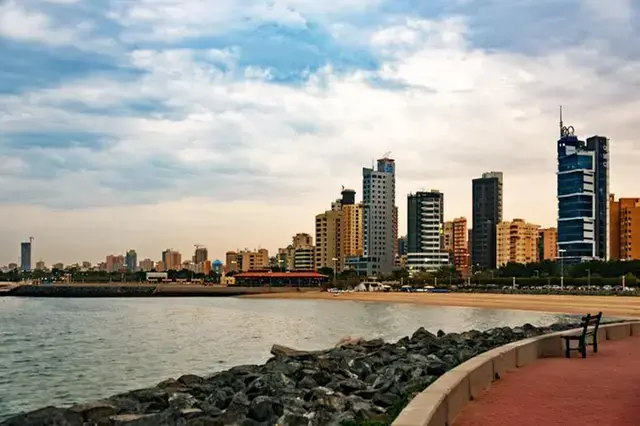
Kuwait air traffic returns to normal, flights resume
QatarEnergy announces new oil discovery offshore Namibia
UAE developer Alef launches $1.1bln mixed-use development in Sharjah
ADNOC eyeing Canada upstream and LNG opportunities via XRG arm, executive says
Dubai real estate deals in April surge to $18.7bln
Saudi's SAMA mandates advance notification of investment rounds by financing companies
Qatar maritime trade activity accelerates in May
Oil steadies as uncertainty over US-Iran talks keeps markets on edge
Qatar: Relatively hot daytime conditions expected, moderate night
Dubai Centre for Family Businesses explores ways to strengthen business adaptability
Saudi Crown Prince, UAE President discuss regional security and cooperation
UAE President and Qatar’s Emir discuss fraternal ties and regional developments in phone call
Flydubai operates 3,800 flights in March, posts high net promoter score
Oman Investment Bank names new CEO
Saudi sovereign investor PIF mandates 3yr, 7yr, 30yr USD issuance
Abu Dhabi's TA’ZIZ Methanol JV secures $2bn financing for methanol plant
Emirates airline posts record net profit despite war impact
Qatar unveils support package to steady markets, boost investor confidence
Saudi Vision 2030 milestones forge a stronger, diversified, and resilient economy
Abu Dhabi non-oil trade jumps 36% to $113bln in 2025; exports rise 63%
Qatar's GTA extends 2025 tax return submission deadline until June 30
Qatar targets strategic FDI as global competition intensifies
New pharma plant opens in Nizwa, boosting Oman’s drug security
Jeddah Tower hits new construction milestone; tops 100 floors
Qatar’s banking assets touch $596bln in February: QNBFS
Dubai Holding Real Estate, ENBD partner to offer financing for key projects
Ajman DED issues 1,617 new licences, renews 8,777 in Q1
Saudi: SFDA begins classifying fines according to size of establishment in bid to support MSMEs
Burjeel Holdings strengthens growth outlook
Saudi Arabia raises its oil price for Asia